
Knowledge Centre
Why Use a Crack Reduction Membrane Under Resin Bound Surfacing?
One of the most common questions we hear is:
“Do I really need a crack reduction membrane?”
The answer depends on the condition of your existing base and the type of project you’re installing. While a crack reduction membrane isn’t required on every installation, it can significantly improve the long-term performance of a resin bound surface by helping to reduce reflective cracking and, in some cases, increasing the structural performance of the pavement itself.
What Is a Crack Reduction Membrane?
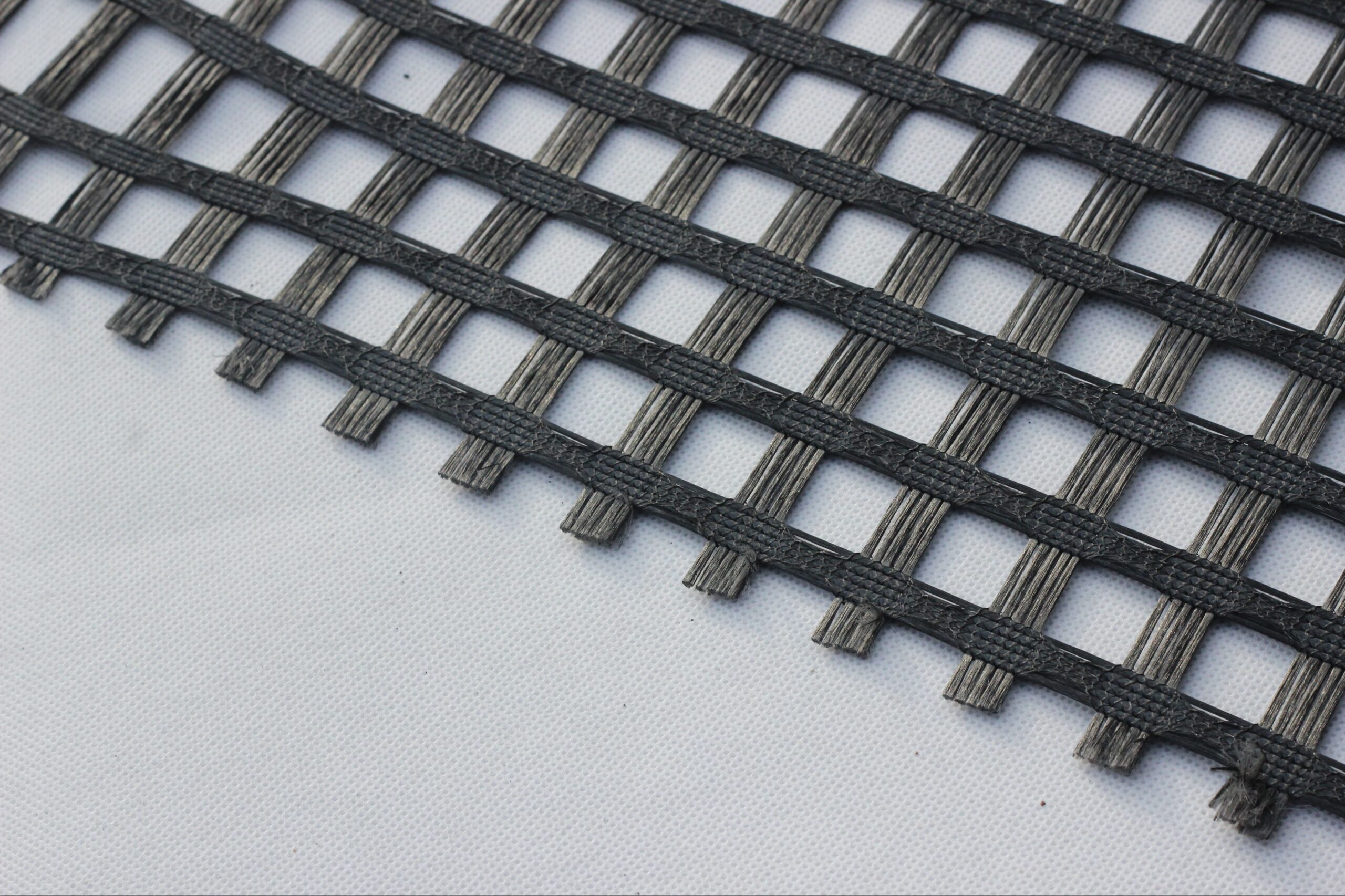
A crack reduction membrane is a reinforcing layer installed beneath the resin bound surface. It is designed to absorb movement within the substrate and reduce the likelihood of existing cracks reflecting through the finished surface.
Most membranes are manufactured from fibreglass, polyester or composite materials and become fully encapsulated within the resin during installation.
The primary purpose is to increase the system’s tensile strength—helping the resin bound surface resist movement that could otherwise result in cracking.
Not All Membranes Perform the Same
One of the biggest misconceptions is that all crack reduction membranes offer the same level of protection.
In reality, membranes vary significantly in terms of:
- Tensile strength
- Elasticity
- Mesh size
- Material type
- Resin compatibility
Some lightweight meshes simply add a small amount of reinforcement to the resin layer, helping to reduce the risk of hairline cracks developing through minor substrate movement.
Higher-performance membranes, however, are engineered to provide substantially greater tensile strength, allowing the resin bound system to distribute loads more effectively and bridge larger areas of movement.
Choosing the right membrane is just as important as choosing the right resin.
Reducing Reflective Cracking
Concrete and asphalt naturally expand, contract and move over time due to:
- Temperature changes
- Freeze-thaw cycles
- Ground settlement
- Tree roots
- Traffic loading
Without reinforcement, these movements can eventually transfer through the resin bound surface, creating what’s known as reflective cracking.
A quality crack reduction membrane helps absorb these stresses before they reach the finished surface, significantly reducing the likelihood of cracks appearing.
Ideal for Resin Bound Overlays
Crack reduction membranes are particularly valuable when installing resin bound overlays.
Rather than removing an existing concrete or asphalt surface, many projects involve overlaying a sound base.
Even if the substrate appears to be in good condition, small movement or existing hairline cracks can eventually become visible through the new resin surface.
Installing a membrane provides an additional layer of protection and can help extend the life of the installation.
Typical overlay applications include:
- Existing concrete driveways
- Asphalt driveways
- Patios
- Footpaths
- Courtyards
- Commercial hardstanding
Reinforcing Weak Areas
A membrane doesn’t always have to cover the entire installation.
Many professional installers use reinforcement only where movement is most likely to occur, including:
- Internal corners
- External corners
- Drainage channels
- Utility trenches
- Construction joints
- Repaired sections
- Around manholes
- Areas where different substrates meet
These locations are naturally subjected to higher stresses and often benefit from additional reinforcement.
Can a High-Strength Membrane Replace a Solid Base?
This depends on the type of membrane being used.
Most standard crack reduction meshes are not structural products. Their purpose is simply to reinforce the resin layer and reduce the likelihood of cracks reflecting through from the substrate.
However, some advanced reinforcement systems offer significantly higher tensile strength and, when used as part of a correctly engineered pavement system, can contribute to the structural performance of the installation.
In certain applications, these higher-performance membranes may allow resin bound surfacing to be installed directly onto a well-compacted, free-draining aggregate base, reducing or even eliminating the need for a traditional concrete or asphalt layer.
This approach depends on factors such as:
- Ground conditions
- Expected traffic loading
- Aggregate specification
- Membrane tensile strength
- Overall pavement design
It should only be considered where the system has been specifically designed and tested for that purpose.
Choosing the Right Membrane
When selecting a crack reduction membrane, consider more than just price.
Key factors include:
- Tensile strength
- Resistance to elongation
- Mesh construction
- Compatibility with polyurethane resin
- Ease of installation
- Long-term durability
A high-quality reinforcement system may add only a small percentage to the overall project cost while significantly reducing the risk of future repairs.
Professional Advice from Advanced Resin Supplies
At Advanced Resin Supplies, we’ve installed resin bound surfaces for years before becoming a supplier. That practical experience has shown us where reinforcement genuinely makes a difference—and where it doesn’t.
We supply crack reduction membranes suitable for a wide range of applications, from simple driveway overlays to demanding commercial projects. Our team can advise on the most appropriate reinforcement system based on your substrate, traffic requirements and project objectives.
Whether you’re overlaying an existing driveway, reinforcing vulnerable areas or exploring innovative structural resin bound systems, we’re here to help you select the right materials for a long-lasting, professional installation.
Need Technical Advice?
If you’re unsure whether your project would benefit from a crack reduction membrane, contact the team at Advanced Resin Supplies. We’ll help you assess your existing base, recommend the most suitable reinforcement option and ensure you have the right materials to achieve a durable, crack-resistant resin bound surface.


